|
College / University Lectures | Short Description | Animal Encounters
and Handling |
This is a great opportunity to get hands on and very close to
some incredible animals. Discover more about their amazing abilities, adaptations, textures, patterns and individual personalities. Under Jays expert
guidance you'll soon be a competent handler!
Suitable for any sized group although obviously the experience and individual handling time is
more intimate the smaller the group size.
| Keeping Exotic Animals
in Captivity |
Using a variety of live
animals, bio facts and a collection of amazing images we look at the husbandry requirements of reptiles, amphibians and invertebrates.
The session can be tailor-made to suit your specific course requirements but typically covers the following
points: housing, heating, lighting, substrates, feeding, breeding, incubation, common species, correct
handling, diseases & disorders.
Suitable for small or large audiences (up to 300 people)
|
College Lecture - Keeping
Exotic Animals in Captivity
The following is a brief synopsis of a lecture that has proved very popular,
its content and focus can be easily changed to suit your students needs. Please do not hesitate to let me know your particular
requirements.
Using a variety of live animals, bio facts and a collection of his own amazing images Jay looks at the husbandry requirements
of reptiles, amphibians and invertebrates. The session can be tailor-made to suit your specific course requirements
but typically covers the following points:
Housing
The importance of choosing the right size, shape and materials for your vivarium, including points on understanding
how your animals will use the space provided. There are also a lot of prefabricated vivariums, tanks and enclosures
on the market today, made with a variety of materials, (wood, glass, acrylic, plastic mesh) but how do you know which one
will best suit your animals requirements?
Heating
Reptiles, amphibians and invertebrates are unable to generate their own body temperature unlike birds and mammals. In order for these animals to thrive
in captivity, it is vital that we create not only the right kind of housing but also provide the correct temperature for them
to live in. Points covered in this section include:- choosing a heat source; creating a thermal gradient; maintaining
the right temperature using thermometers and thermostats.
Lighting
Lighting is another key factor in maintaining healthy animals. We will cover the many different types of lighting,
how, where and when to use it, to create the right light levels and photoperiod.
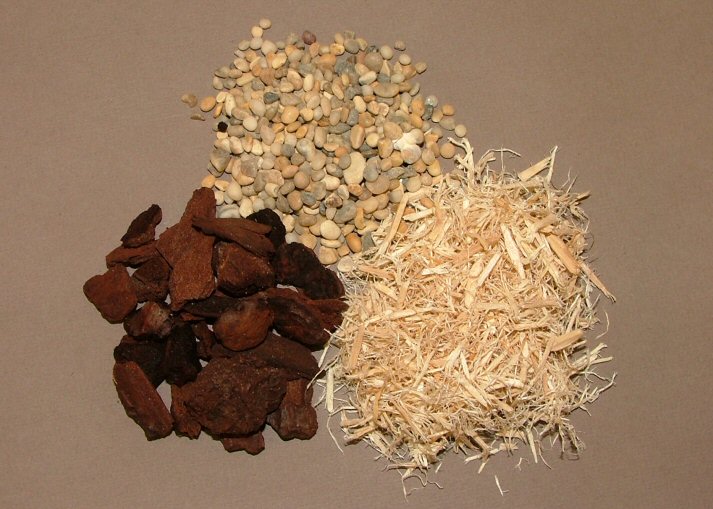
Substrates
Our set- up wouldn’t be complete without a nicely furnished interior, designed to suit the inhabitants. Here
we look at water bowls, plants and hides as well as selecting a suitable substrate that can cope with our humidity requirements.
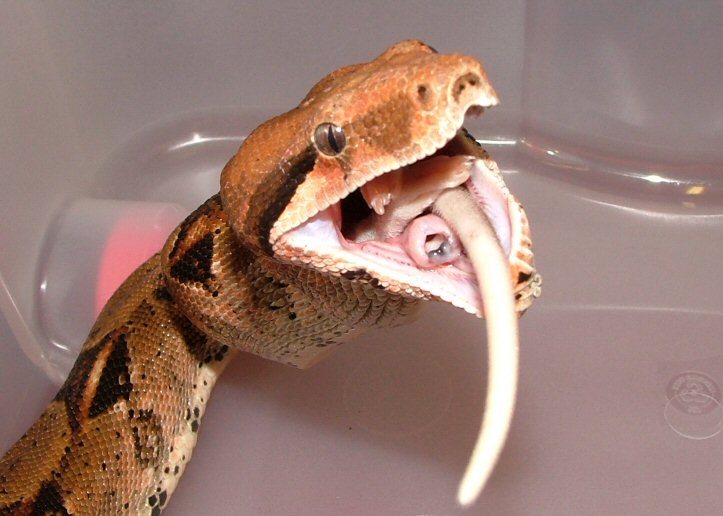
Feeding
To keep our animals in good health, we must provide a varied and well balanced diet that reflects what the animals
would eat in the wild. Correct size and amount of food, feeding methods, vitamins and gut loading will all be covered.
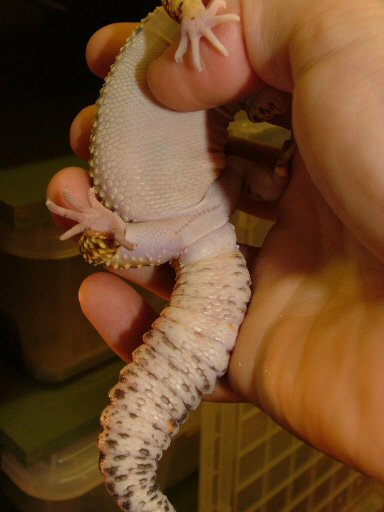
Sexing - Primary
and secondary sexual characteristics of males and females in reptiles, amphibians and some invertebrates will be discussed, accompanied by examples.
Breeding - Now
that we have a sexed pair of animals, how do we get them to breed? The courtship rituals and reproduction in some of
these animals is truly amazing. Here we look at some of my own unique video clips that demonstrate these behaviours.
Incubation
The incubation section of the talk touches briefly on methods of incubation and mediums used, incubation times, temperatures
and how they can sometimes influence the sex of the hatchlings.
Common Species
Here we look at some of the popular species that the students
are likely to encounter.
Correct Handling
Correct methods of handling are not only important for the animal being held but also for the safety of the handler.
I will demonstrate good handling techniques and methods of restraint.
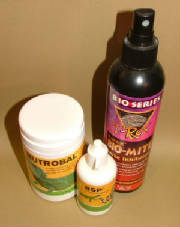
Diseases & Disorders
Unfortunately, diseases and disorders do occur and this section touches on some of the more common ailments, how to
spot the tell-tale signs and what the average keeper can do to rectify some of the more straightforward situations.
|